This is probably one of the most common questions we hear:
“If I put PPF or a wrap on my vehicle, is it going to pull my paint off when I remove it?”
On a vehicle with sound, properly cured OEM paint, quality film that has been professionally installed, properly cared for, and correctly removed generally presents a relatively low risk to the underlying finish.
But saying that wrap or PPF can never damage paint would be misleading.
There are situations where paint damage can happen.
The condition of the paint before installation matters. The quality of the installation matters. The environment the vehicle lives in matters. Maintenance matters. The age and condition of the film at removal matters. And perhaps most importantly, how the film is removed matters.
Even manufacturers acknowledge these variables.
3M, for example, recommends applying its Protection Wrap Film over original-equipment-manufacturer finishes for the best results and notes that existing scratches, bubbling, corrosion, poor repairs, or improperly cured finishes can contribute to problems. 3M also warns installers against overstretching certain films because excessive stretch can potentially affect the clear coat.
Avery Dennison’s current PPF warranty is even more direct: its North American coverage is intended for fully cured OEM-painted surfaces and specifically excludes installations over repainted or aftermarket-painted surfaces from warranty coverage.
That doesn’t mean every repainted panel will fail.
It means the risk is different—and customers deserve to understand that before installation.
PPF Is a Sacrificial Layer, Not a Permanent Finish
One of the best ways to understand PPF is to stop thinking about it as an extension of your clear coat.
Think of it as a replaceable sacrificial layer sitting above your clear coat.
XPEL itself describes its paint protection films as an effective sacrificial layer. The purpose of the material is to take abuse so the paint underneath doesn’t have to.
Road debris hits the PPF.
Bugs land on the PPF.
Bird droppings sit on the PPF.
UV radiation hits the PPF.
Road contamination, washing, chemicals, temperature cycles, rain, snow, heat, and everyday driving all affect the film before they affect your paint.
That’s exactly what you purchased it to do.
But that also means the film itself is aging.
It isn’t immortal.
Vinyl Wrap Works the Same Way
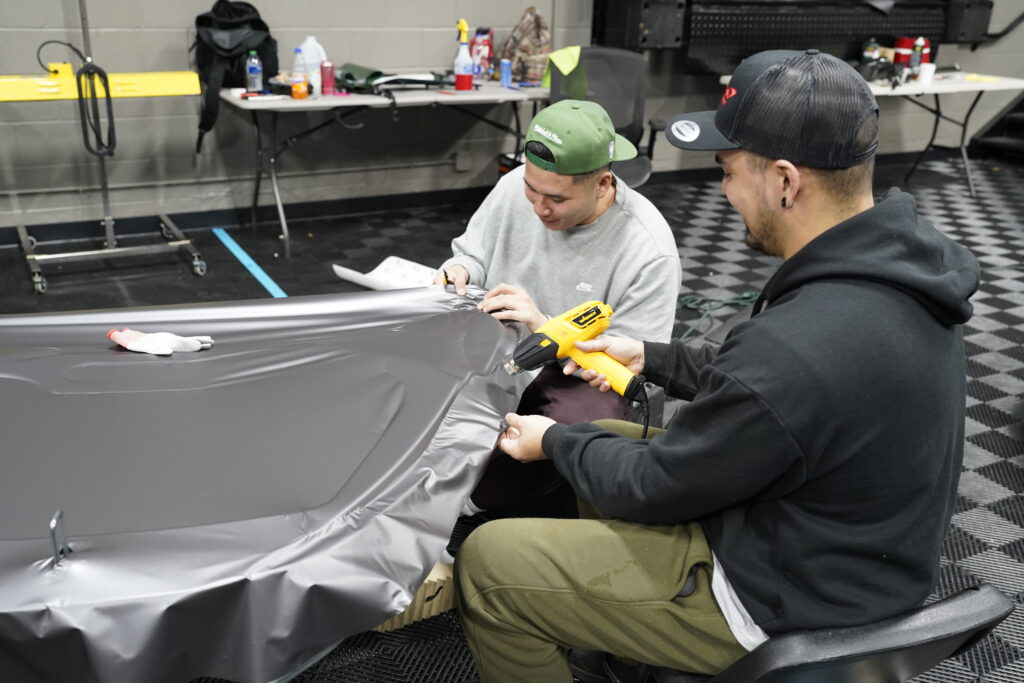
A color-change wrap is also a polymer film sitting on top of the vehicle’s paint.
It may dramatically change the appearance of a vehicle and provide some protection against light environmental exposure, but vinyl isn’t paint and it isn’t clear coat.
It lives outside.
It gets hot.
It gets cold.
It gets blasted by ultraviolet radiation.
It gets contaminated.
And eventually, it begins to age.
Avery Dennison specifically warns that vehicle wraps left in constant contact with dirt, grime, and contaminants will eventually degrade and that this degradation is accelerated when the material remains dirty while being exposed to UV light and heat. The company recommends regular cleaning and parking in shade or under cover whenever possible.
3M similarly recommends storing wrapped vehicles indoors, shaded, or covered whenever possible to reduce heat and UV exposure.
That brings us to one of the biggest misconceptions in this industry.
A Warranty Is Not a Promise That the Film Will Last Forever
When customers hear “10-year warranty,” it’s easy to mentally translate that into:
“I can put this on my car and forget about it for ten years.”
That’s not what a warranty means.
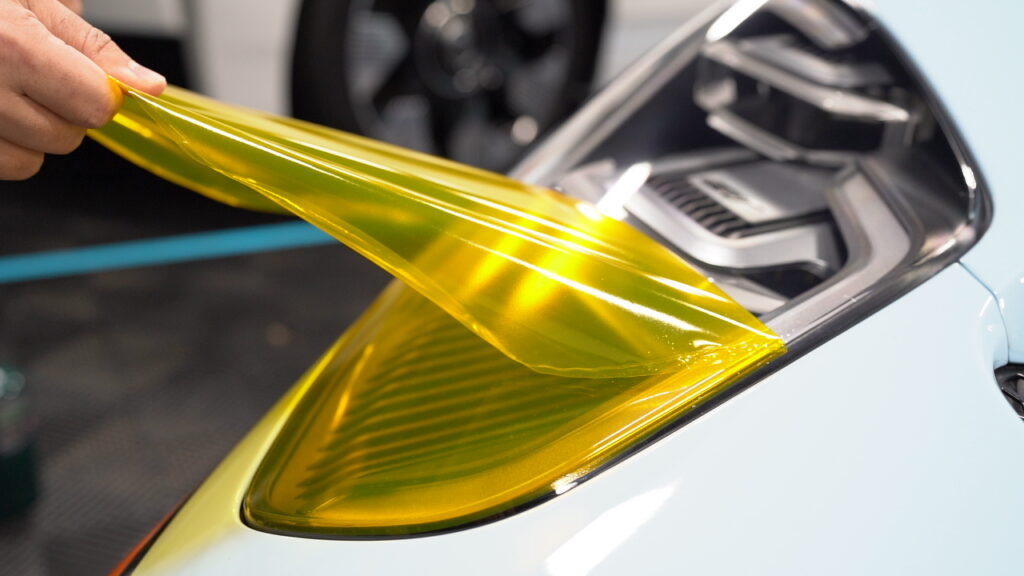
For example, XPEL currently lists a 10-year limited warranty for its ULTIMATE PLUS and STEALTH PPF against specified manufacturing defects such as yellowing, cracking, blistering, and delamination. The warranty is conditioned on proper installation, use, and maintenance.
3M’s Scotchgard Paint Protection Film Pro Series warranty similarly provides 10-year coverage against specified defects including yellowing, bubbling, and cracking, while excluding issues caused by misuse, accidents, misapplication, and ordinary wear.
The important word here is warranty.
A warranty defines the manufacturer’s responsibility under specific circumstances. It doesn’t mean the material suddenly self-destructs on the final day of the warranty, and it doesn’t mean every type of aging or damage is covered.
A meticulously maintained vehicle that spends much of its life indoors may keep its film looking excellent for an exceptionally long time.
A vehicle sitting outside every day in intense sunlight and heat may age much differently.
Climate, mileage, storage, vehicle color, installation location, washing habits, contamination, and maintenance all change the equation.
Warranty length and real-world condition are related, but they are not the same thing.
The Most Dangerous Mindset: “I’ll Remove It When It Gets Really Bad”
This is where many of the horror stories begin.
Film usually doesn’t go from perfect to destroyed overnight.
It gives warning signs.
The finish may lose clarity. The material may become heavily faded. Edges may begin lifting. Vinyl can shrink or become brittle. Old PPF can discolor, crack, or become increasingly difficult to work with.
Waiting until the material is completely cooked into the vehicle is rarely the best strategy.
There are owner reports online showing exactly how ugly this can become.
One vehicle owner described removing an aging roof wrap after the vinyl had begun tearing and deteriorating. Moisture had gotten beneath portions of the film, and removal left significant adhesive residue on the paint.
In another widely discussed PPF removal experience, an owner reported severely deteriorated film that became extremely difficult to remove; during the eventual removal process, some paint reportedly peeled from a fender.
Porsche owners have also reported instances of clear coat lifting during PPF removal, while discussions surrounding those cases point to variables such as removal technique and the possibility of previously repaired paint.
These are anecdotal owner experiences—not controlled studies—and they don’t prove that PPF automatically damages paint.
They prove something much more useful:
Condition, age, paint history, installation, and removal technique matter.
Sun Is One of Film’s Biggest Enemies
People sometimes forget how brutal the exterior of a vehicle actually is.
Imagine leaving a piece of plastic outside for years.
Every day it heats up.
Every night it cools down.
It absorbs UV radiation.
It gets soaked.
It freezes.
It gets covered in road grime.
Then we expect it to remain chemically and physically identical forever.
It won’t.
Modern automotive films are extremely sophisticated, but they’re still materials subject to environmental aging.
Horizontal surfaces such as roofs, hoods, and trunk lids can be particularly demanding because they receive substantial direct sunlight.
This is why a garage-kept weekend car and a daily-driven vehicle parked outside in a hot climate should not necessarily follow the exact same replacement timeline.
Age matters—but condition matters just as much.
Maintenance Isn’t Optional
One of the worst misconceptions surrounding PPF and wraps is that they’re “maintenance free.”
They aren’t.
They’re often easier to maintain than constantly repairing exposed paint, but they still need care.
Manufacturers provide surprisingly specific instructions. XPEL recommends regular washing, prompt removal of insects, bird residue, and hard-water contamination, and cautions against aggressive pressure washing near film edges. Avery recommends frequent cleaning and warns that solvents, abrasives, brush-style automatic washes, UV exposure, and contaminants can shorten the useful life of wrap films.
A sensible ownership routine includes:
- Wash the vehicle regularly rather than allowing contamination to bake into the film.
- Remove bird droppings, insects, sap, fuel, and other aggressive contaminants promptly.
- Avoid abrasive compounds, aggressive solvents, and harsh chemicals unless specifically approved for the film.
- Be careful with pressure washers around seams and exposed edges.
- Avoid brush-style automatic car washes whenever possible.
- Garage or shade the vehicle when practical, particularly in extreme climates.
- Have lifting edges, damaged sections, discoloration, cracking, or unusual adhesive behavior inspected instead of ignoring it.
- Keep track of when the film was installed. Don’t wait until you can no longer remember how old it is before evaluating replacement.
- When removal time comes, especially with older material, have someone experienced with professional film removal evaluate it.
Proper maintenance doesn’t make film permanent.
Proper maintenance helps the film perform the way it was designed to perform for as long as reasonably possible.
Removal Is a Procedure—Not Just Peeling Off a Sticker
This point deserves more attention.
Correct removal involves technique.
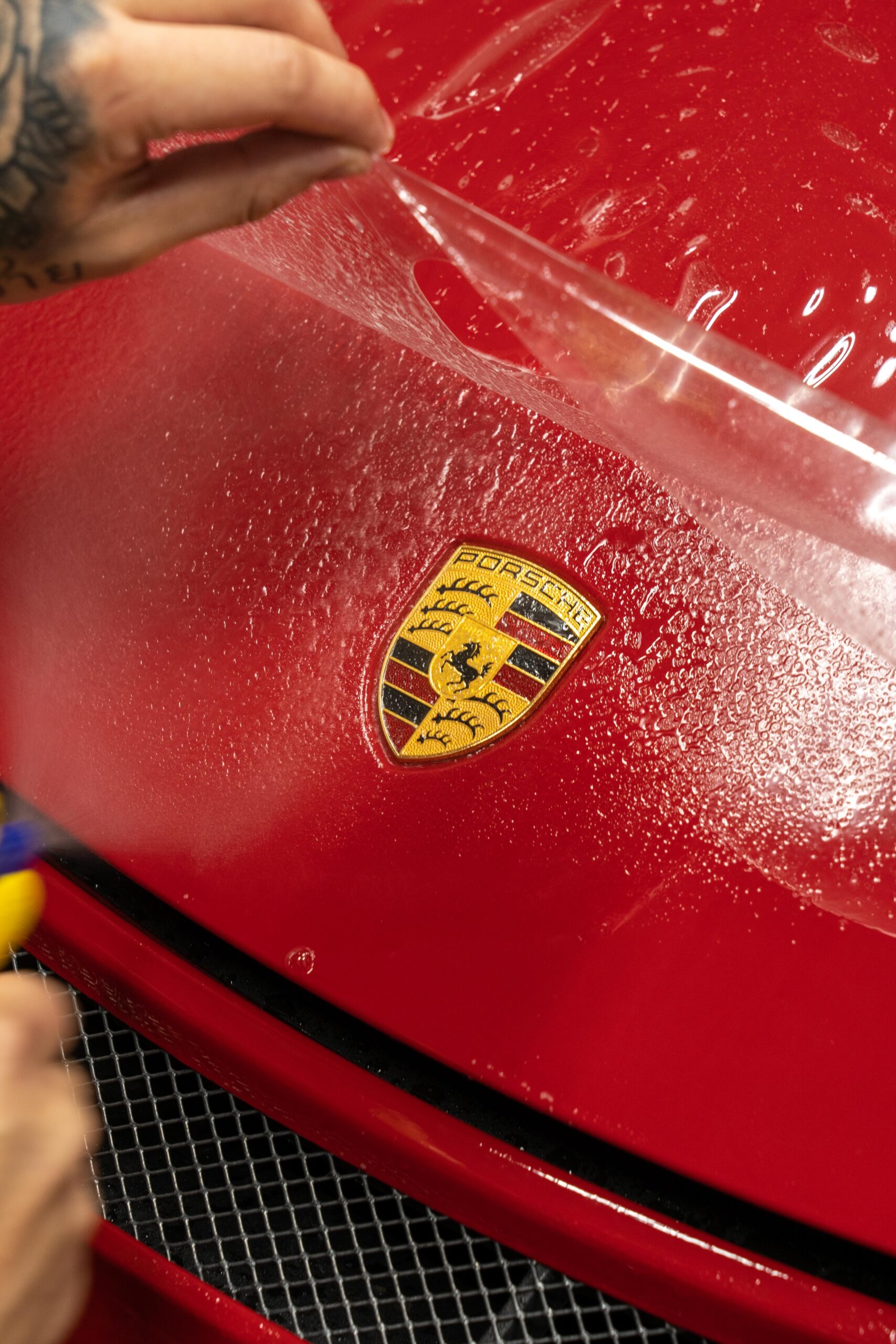
3M’s current vehicle-film guidance recommends professional removal using controlled heat from a heat gun or steamer and pulling the material at a specified angle relative to the paint surface.
XPEL likewise provides specific removal instructions, including pulling the film back at a shallow angle so the adhesive is encouraged to remain with the film rather than separating onto the vehicle.
Why does that matter?
Because aggressively yanking cold film straight away from a panel is very different from carefully warming and tensioning material while controlling the peel angle.
Good removal becomes even more important when dealing with older film, questionable paintwork, repaired panels, or material already showing signs of degradation.
The installation gets all the attention.
Removal deserves just as much respe